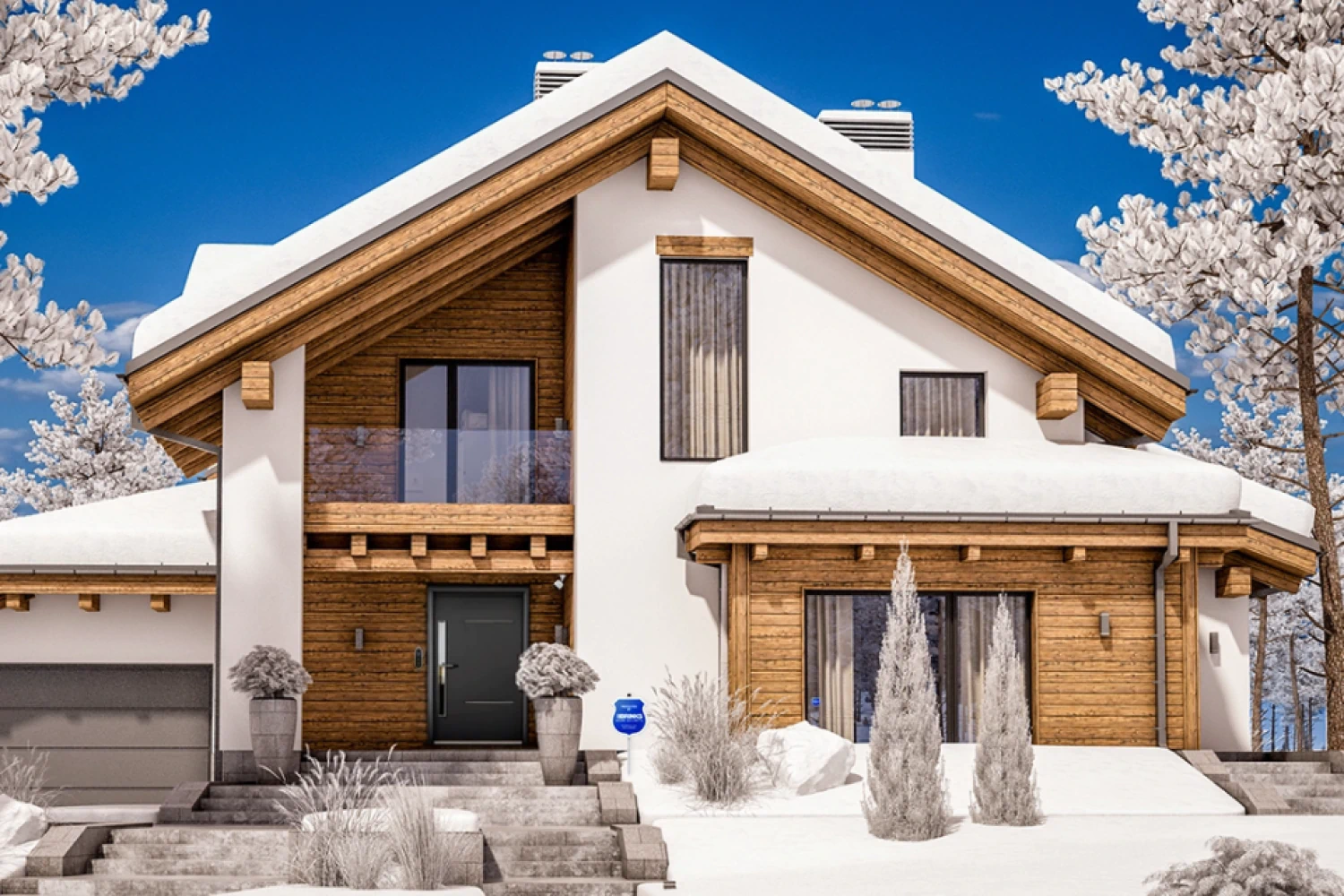
Home Security Yard Signs: How They Work and Where to Place Them
May 29, 2026
Quick Summary
Home security yard signs are a simple yet effective way to deter potential intruders by signaling that your home is protected. While they work best when backed by a real home security system, proper placement, quality, and strategy can significantly improve their impact as part of a layered home security plan.
Why yard signs matter: Home security yard signs can deter burglars by increasing perceived risk. Many intruders avoid homes that appear monitored and protected.
Real vs. fake signs: Authentic, branded signs tied to a real system are more effective than generic or fake ones, which experienced burglars can often identify.
Placement and rules: For maximum visibility, place signs in front yards, near entry points, and across the perimeter while following HOA guidelines and local regulations.
Common mistakes to avoid: Faded signs, poor placement, mixed branding, or relying only on signage can reduce effectiveness. Yard signs should support a broader security setup.
Building a complete defense: Yard signs help establish a visible boundary, but combining them with a monitored system like Brinks Home creates a stronger, layered approach to home protection.
Why Home Security Yard Signs Matter
A yard sign might seem like a small thing. In practice, it is one of the first things a stranger sees when they walk up to your home. For someone looking for an easy target, that sign can be the reason they keep walking.
At Brinks Home™, we care about helping families feel safe at every layer of their home. A clear, well-placed sign is a simple way to set a boundary around your property. It lets visitors and passersby know that your home is monitored and protected.
The good news is that yard signs are easy to use, easy to afford, and backed by real research. When you pair them with a working security system, they become part of a smart, layered plan.
Do Home Security Yard Signs Really Deter Burglars?
The short answer is yes, when the sign is backed by a real alarm system. The longer answer comes from the way most burglars choose a target. Research shows that burglars are usually opportunists. They look for homes that seem easy to enter and quick to leave. However, a visible sign changes that math—it tells them the home has protection, and that the risk of being caught is higher than at the house next door. Here is what the research says:
A widely cited study from the University of North Carolina at Charlotte surveyed convicted burglars. About 60% said the presence of an alarm would cause them to look for a different target, and around 25% said they would walk away from a home with a security sign.
Research from Rutgers University on alarm systems found that homes with visible security measures faced fewer break in attempts than homes without them.
The National Crime Prevention Council has noted that homes with security signage also see lower rates of vandalism.
None of this means a sign alone will stop every intruder. A determined burglar may push on anyway. But for the many casual or opportunistic burglars out there, a clear sign is often enough to send them looking elsewhere.
Real Signs vs. Fake Signs: Which Works Better?
It can be tempting to buy a cheap generic sign online and skip the full system. The problem is that experienced burglars can often tell the difference.
A fake sign can even work against you. It shows that you care about security, but it may also suggest that you have not invested in real protection. That mixed signal is not what you want on your lawn.
Real signs from a monitored provider work better for a few reasons:
They come from a recognized name, which tells a burglar the home is tied to 24/7 monitoring.
They match up with decals, cameras, and other visible gear on the property.
They show that the homeowner has put thought and money into real protection.
If you already have a monitored system, use the signs and decals that came with it. They are designed to match the protection you actually have in place.
What to Look for in a Quality Yard Sign
A faded, cracked, or leaning sign can send the wrong message as it may suggest that the system inside is just as worn out. A good sign should look fresh, clear, and well maintained.
Here is what to look for:
Durable materials: Most quality signs are made from corrugated plastic or aluminum. Corrugated plastic is light, affordable, and holds up well when printed with UV resistant inks. Aluminum lasts even longer and gives a sharper, more polished look.
Weather resistance: Your sign will face sun, rain, snow, and wind. Look for coatings and inks that are rated for outdoor use so the colors stay bright.
Nighttime visibility: Many break ins happen after dark. Signs with reflective coatings or bright lettering catch headlights and flashlights, so they stand out even at night.
A strong stake: The hardware matters as much as the sign itself. A heavy duty, galvanized steel H stake keeps the sign upright in wind and snow. Thin wooden or plastic rods can snap or spin.
Where to Place Your Home Security Yard Signs
Owning a good sign is only half the job. Placement is what makes it work.
The Front Yard
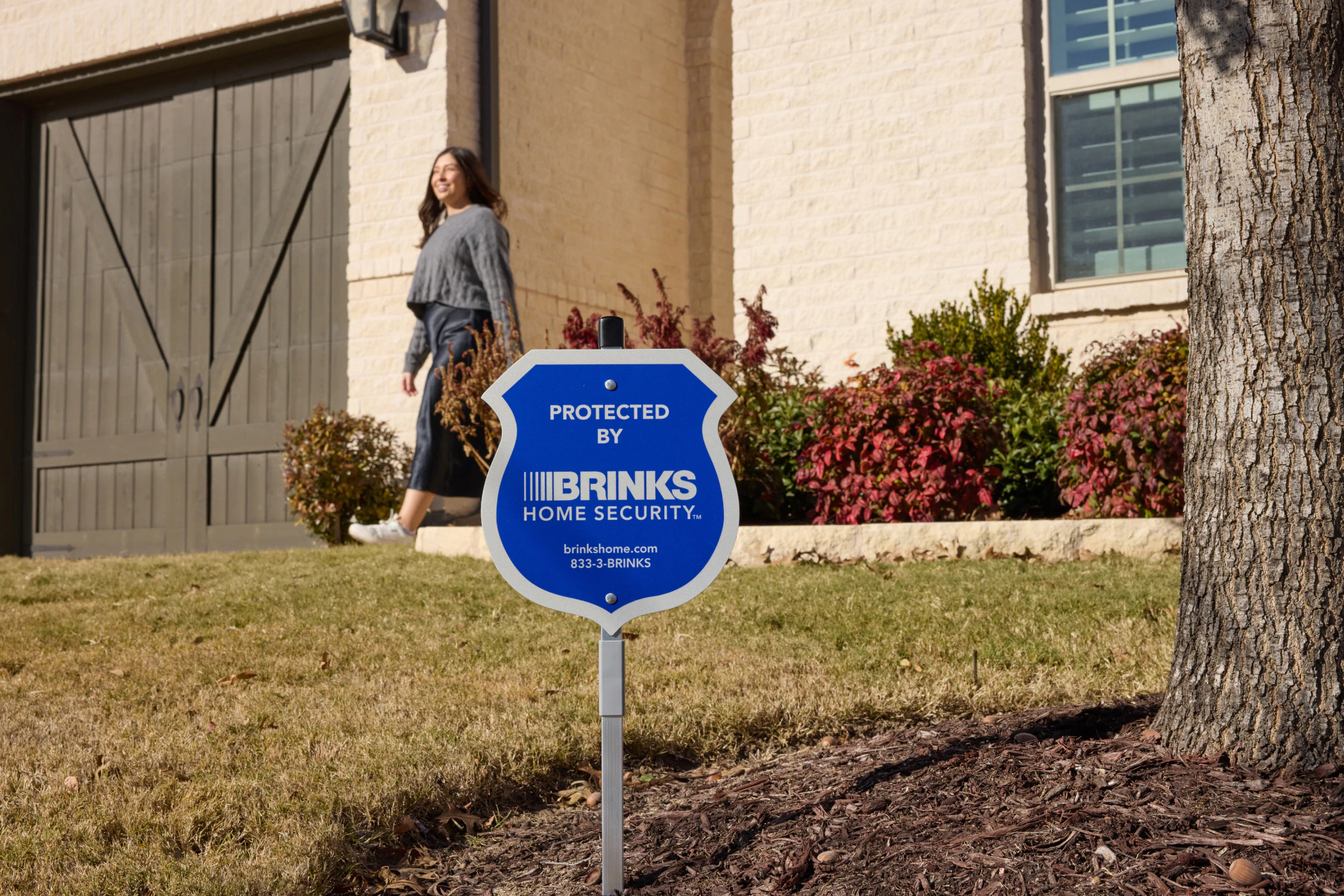
Your main sign belongs in the front yard, close enough to the street that anyone walking up can see it clearly. Place it near your main walkway or driveway so it is one of the first things a visitor notices.
Keep the area around the sign clear. Bushes, low branches, and tall grass can hide it from view. A sign that no one can see does not do much work.
Side Gates and Back Entries
The front door is not the only way into a home. Many burglars prefer side gates, back patios, and alleyways because they offer more privacy.
If your property has multiple access points, add signs near those spots too. This gives your home full perimeter coverage instead of leaving blind spots where someone might feel safe.
Window Decals at Entry Points
Yard signs stop burglars at the edge of your lawn. Window decals reinforce the message right at the point of entry. Place them on:
Front doors, at about eye level near the lock.
First floor windows, especially any that are hidden by plants or fences.
Sliding patio doors, which are a common target.
Basement windows, which people often forget about.
Together, signs and decals create a clear, layered message all the way around your home.
HOA Rules and Legal Limits
Before you plant a sign, it helps to know the rules where you live.
Public property and right of way: As a general rule, you cannot place a yard sign on public property. That usually includes the sidewalk and the strip of grass between the sidewalk and the street. Keeping the sign on your own lawn makes sure it stays where you put it.
HOA rules: Some homeowner associations have rules about outdoor signs, including size and placement. The good news is that many states have passed laws that protect your right to display security signage. Standard sized signs from well-known providers are usually allowed, but it is always smart to check your community guidelines first.
Common Yard Sign Mistakes to Avoid
Even small mistakes can weaken your sign's impact. Watch out for these:
Letting the sign fade: A cracked or bleached sign can make it look like your system is no longer active. Replace signs every few years or when they start to show wear.
Hiding the sign in landscaping: Some homeowners tuck the sign behind flowers so it does not stand out, defeating the point—the sign needs to be visible.
Mixing old and new branding: If you have switched providers, remove the old signs. Mixed signage looks messy and less believable.
Relying only on the sign: A yard sign is a deterrent, not a barrier. It works best when it is part of a full plan that includes monitoring, cameras, and sensors.
How Yard Signs Fit Into a Complete Home Security Plan
A yard sign is a great first layer, but it works best when it is backed by real protection. A full plan usually includes:
Professional monitoring that can respond if an alarm goes off.
Video doorbells and indoor + outdoor cameras that record who comes to the door.
Entry sensors on doors and windows.
Motion detectors for inside the home.
Smart locks and lighting that are easy to control from a phone.
Security Panel acts as the main hub for your system, giving you total control and peace of mind.
When you add a yard sign to that kind of setup, it becomes a clear signal that every layer is in place. Burglars do not just see a sign. They see a system.
Setting a Clear Boundary Around Your Home
Home security yard signs are simple, affordable, and backed by real research. When you choose quality materials, use authentic branding, and place your signs where people can actually see them, you add a strong first layer of protection to your home.
Pair that sign with a monitored system, and you give your home a complete, layered defense that works around the clock.
Brinks Home is one of the largest home security companies in North America, providing best in class protection to over 1 million people. With an award-winning Alarm Response Center, the company offers smart home solutions and 24/7 professional monitoring. To learn more about smart home security, call us today at 866.675.7062.
Frequently Asked Questions
Do home security yard signs really work?
Yes, when the sign is backed by a real system. Research from the University of North Carolina at Charlotte found that about 60% of burglars factor in an alarm when picking a target, and around 25% walk away from homes with security signs.
Are fake security yard signs a good idea?
In most cases, no. Experienced burglars can often tell the difference between real and fake signs. A fake sign can also suggest that the homeowner has not invested in real protection.
How many yard signs should I put around my home?
One in the front yard is a good start. If your home has side gates, a back patio, or a rear alley, add signs in those spots too. Full perimeter coverage works better than a single sign.
What is the best material for an outdoor security sign?
Corrugated plastic with UV resistant ink is a strong, affordable choice. Aluminum lasts even longer. Reflective coatings help with nighttime visibility, and a steel H stake keeps the sign upright in bad weather.
Can my HOA stop me from putting up a home security sign?
In many states, HOAs cannot fully ban security signs, though they may limit size or placement. Check your community rules and choose standard sized signs from recognized providers.
Where should I place window decals for the best effect?
Put decals on front doors, first-floor windows, sliding patio doors, and basement windows. These are the spots burglars are most likely to check first.
How often should I replace my yard sign?
Every few years, or any time the sign starts to look faded, cracked, or dirty. A fresh sign looks active, which helps keep its deterrent value high.
Does a yard sign replace the need for a full security system?
No. A yard sign is a deterrent, not a barrier. It works best as one layer in a plan that also includes monitoring, cameras, sensors, and smart locks.